Today I've purchased
this fine copy of The Pickwick Papers :-) I've found it in the back of a bookstore I was browsing through (you'll soon see browsing bookstores is definitely one of my favourite hobbies) and there it was - just fifteen and a half centimetres long (perfect size for every handbag!), the edges painted in gold and a nice carmine bound bookmark. Shiny!!! Of course I had to buy it, although I'm in no way of a shortage of books right now - there's still The Picture of Dorian Gray, The Pillow Book of Sei Shonagon and Der Meister des Jüngsten Tages by Leo Perutz... But when will be the next opportunity to buy such a lovely edition, especially now since the British Bookshop has closed its last store in Vienna?
Dickens was 25 when he wrote The Pickwick Papers, just one year younger than I am now. He has worked as a journalist before and written several literary skteches, but The Pickwick Papers was his first novel. It was published as a serial in 20 volumes - pretty much like modern comics or mangas.
You might ask, why read a book from the late 1830ies? Why trouble myself with Dickens's challenging writing style?
I have to admit you need to have a certain fascination with 19th century England. Dickens has a unique talent of sketching people and places, it almost seems you are literally travelling back in time. He has a keen eye on people's quirks and mannerisms and vivdly depicts even details such as clothing and accents of his time. Especially The Pickwick Papers are said to feature some of the most remarkable characters of Dickens's oeuvre, if not the whole English literature of the19th century.
So why bother yourself with fictitious people of more than 180 years ago?
Because, at the very core, people have always been the same. They may live in different times at different places, but the motives for their actions are something perennial and intrinsically human - greed, charity, curiosity, vanity, love, hate, lust, friendship, ambition, ... At some point you even realise that some peculiarities will never change and the ambitious matron strongly resembles that one distant aunt of yours or the kind-hearted gentleman reminds you of the salesman in that shop you used to go as a child. All those characters still exist, in fact - they may have different names, looks or occupations, but their types will probably never disappear.
I expect to be The Pickwick Papers a very amusing and comic read. Dickens has got a great sense of humour and, in contrast to his later works, still shows a certain light-heartedness in his early novels. However, this should not distract from the fact that his works are also highly immersive and moving. He is also famous for addressing social inequalities, hardship and extreme misery and poverty.
I am strongly tempted to just pick up that book this moment and start reading, but it will have to wait until I finish the books I've mentioned earlier. Maybe Dickens isn't meant to be read in the heat of this summer anyway...
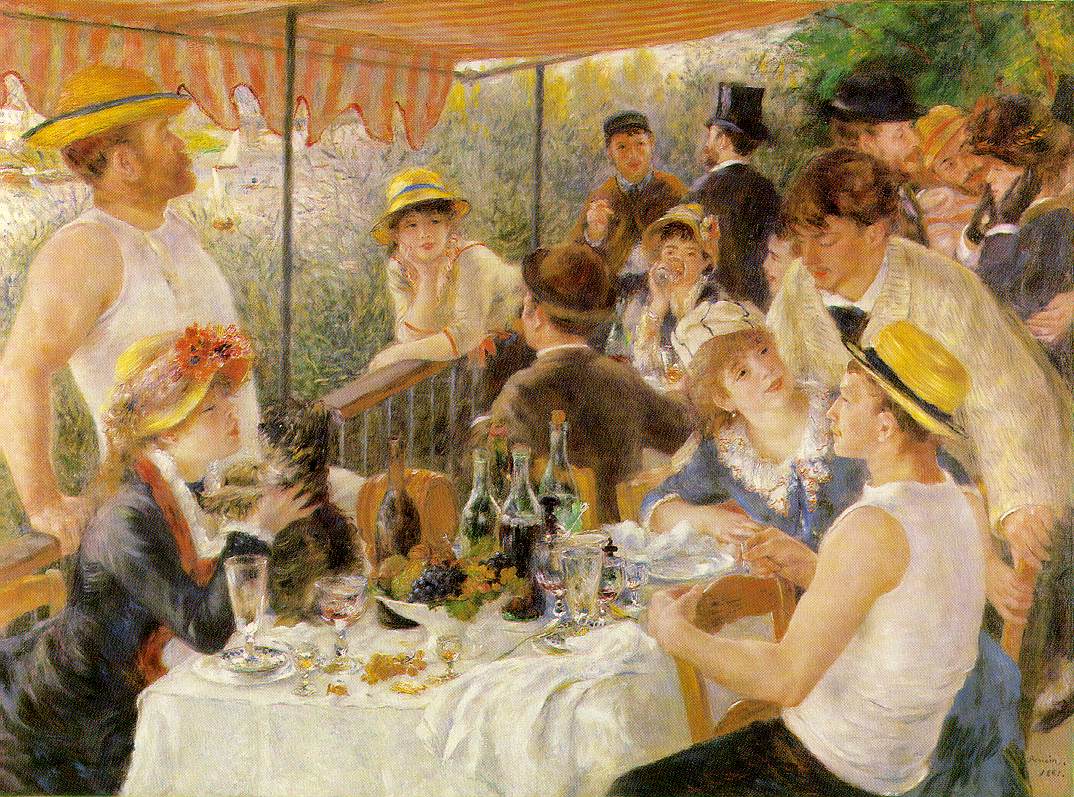
(taken from http://charlesdickenspage.com/illustrations_web/Pickwick_Papers/pickwick_papers04.jpg )